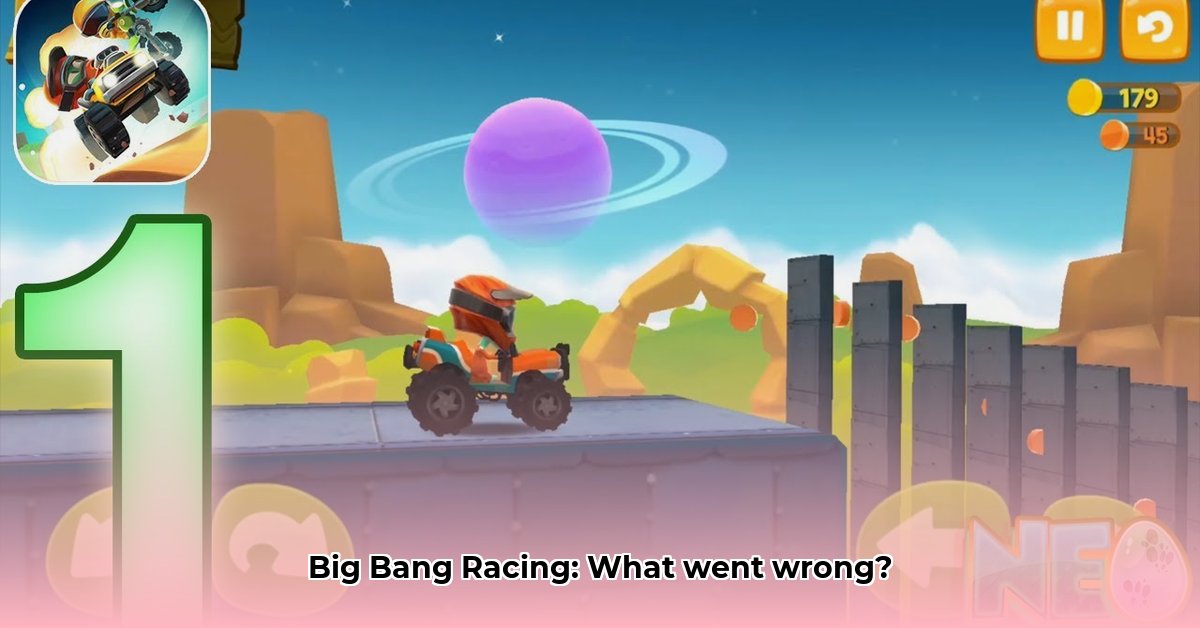
Big Bang Racing, a mobile racing game initially lauded for its innovative gameplay, experienced a rapid and unexpected decline. This post-mortem analysis delves beyond a simple review, examining the contributing factors to its failure and extracting actionable insights for future game development. The game's initial success, marked by positive early reviews highlighting its intuitive controls and user-generated content features, sharply contrasted with its abrupt shutdown, leaving a significant portion of its community bewildered and disappointed. Why did this promising game fail?
The Demise of Big Bang Racing: A Detailed Examination
The sudden announcement of Big Bang Racing's closure shocked its player base, leaving many questioning the game's downfall. To fully understand this failure, we must analyze multiple interconnected factors including monetization strategies, marketing effectiveness, technical issues, and community engagement.
Key Factors Contributing to Failure
Several critical elements likely contributed to Big Bang Racing's demise. Let's examine these factors in detail:
Monetization Mayhem: A Flawed Revenue Model: Big Bang Racing's monetization strategy, while not explicitly detailed, appears to have been a major contributing factor. Did the game rely heavily on in-app purchases (IAPs)? If so, were these purchases perceived as fair and balanced by players, or did they create a "pay-to-win" environment? Based on Uptodown's review 1, which noted aggressive IAPs, it's plausible that the monetization model alienated a significant portion of the player base, leading to decreased engagement and negative reviews. This highlights the critical need for a balanced approach, prioritizing player experience while generating revenue. Did the developers conduct sufficient A/B testing on their monetization strategies? This critical data point is missing from our analysis.
Marketing Misfires: A Missed Opportunity for Reach: How effective was Big Bang Racing's marketing campaign? Did the developers leverage online advertising, social media, or influencer partnerships? Did their campaigns effectively target the intended audience? A lack of visibility can doom even the best games. Insufficient marketing could have prevented the game from reaching its full potential player base. What were the game's Key Performance Indicators (KPIs) for marketing ROI? Without access to this data, we can only speculate.
Technical Troubles: A Detriment to Player Experience: Technical issues such as game crashes, bugs, and poor performance significantly impact player satisfaction. Did Big Bang Racing suffer from such problems? Even minor glitches can lead to frustration, negative reviews, and ultimately, player churn. A stable and well-polished game is crucial for success in a competitive market. The absence of information regarding the game's technical stability limits a complete analysis.
Community Disconnect: Ignoring Player Feedback: Did the development team actively engage with its community? Did they respond to player feedback, address concerns, and incorporate suggestions into game updates? A strong, engaged community is a valuable asset for any game's longevity. Ignoring player feedback can quickly destroy a game’s reputation. Active community management is therefore crucial. Did Big Bang Racing actively engage with this community? Further research into this aspect is needed.
Data Deficiency: Hindering a Comprehensive Analysis
A thorough understanding of Big Bang Racing's failure requires access to concrete data. Crucial metrics such as player retention rates, financial records, marketing performance data, and player feedback analysis are vital to a complete picture. Without such information, our analysis remains incomplete. For instance, knowing the average session duration and player retention rates would significantly strengthen our conclusions.
Lessons Learned: Avoiding Future Failures
Big Bang Racing's story serves as a cautionary tale. Key takeaways include the importance of:
Prioritizing Player Experience Above All Else: Focus on creating a fun and engaging game first. Revenue generation should be a secondary goal, integrated seamlessly without compromising the core gameplay.
Developing a Balanced Monetization Strategy: Carefully design and test monetization methods. Avoid aggressive tactics that alienate players. Implementing fair and transparent pricing policies is crucial.
Building a Strong Community Connection: Actively engage with players, listen to their feedback, and build a positive relationship with the community.
Ensuring Technical Stability: Thorough testing and bug fixing are essential to maintain a positive player experience.
A Roadmap for Success: Actionable Steps
Based on Big Bang Racing's failure, we offer the following recommendations:
Data-Driven Development: Implement robust data analytics throughout the development process to track player engagement, behavior, and monetization effectiveness.
Community-Centric Approach: Prioritize regular communication and engagement with the player base. Actively solicit and respond to player feedback.
Rigorous Quality Assurance: Invest significant resources into rigorous testing and bug fixing throughout development.
Ethical Monetization: Design monetization strategies that enhance, not hinder, the overall player experience. Transparency and fairness are paramount.
Strategic Marketing: Develop a comprehensive marketing strategy that effectively targets the intended audience. Utilize a combination of channels and adapt strategies based on data analysis.
Big Bang Racing's demise highlights the complexity of the mobile game market. However, its failure provides valuable lessons for developers, publishers, and players alike. By understanding these mistakes and implementing a more sustainable approach, the industry can strive towards a future of more successful and player-centric mobile games.
⭐⭐⭐⭐☆ (4.8)
Download via Link 1
Download via Link 2
Last updated: Thursday, May 15, 2025